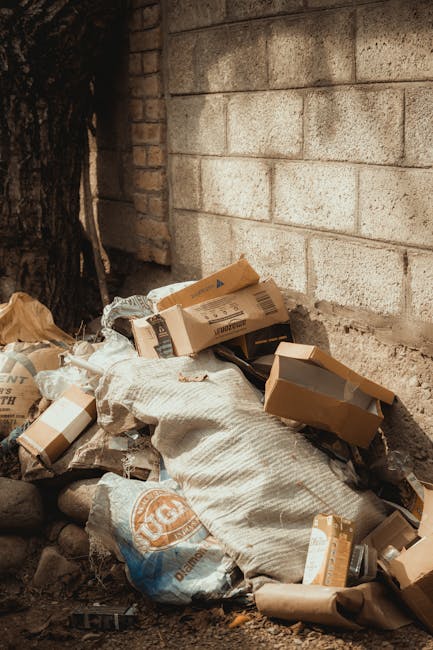
Clapham High Street rubbish removal guide Lambeth
If you are staring at a growing pile of bags, broken furniture, packaging, or builder's rubble on or near Clapham High Street, you are not alone. In a busy part of Lambeth, rubbish removal can go from a small chore to a genuine headache very quickly. The pavements are tight, parking is precious, and nobody wants waste sitting around longer than it has to. This Clapham High Street rubbish removal guide Lambeth walks you through the practical options, the things people often overlook, and the simplest way to choose a service that suits your job, your timetable, and your street.
Whether you are clearing a flat, sorting out a shop refit, dealing with a loft full of "I'll sort that later" clutter, or shifting construction waste after a renovation, the right approach saves time and stress. Truth be told, the hardest part is often not the lifting; it is deciding what to do with the waste once it is out the door.
In this guide, you will get a clear breakdown of how rubbish removal works in Lambeth, when skip hire makes sense, when a man and van collection is smarter, what to do about permits, what can and cannot go in the load, and how to avoid costly mistakes. It is practical, local, and written for real-world use. No fluff.
Why Clapham High Street rubbish removal guide Lambeth Matters
Clapham High Street is busy, visible and constantly in motion. That matters because rubbish removal is never just about getting rid of waste; it is about doing it neatly, safely and without creating a nuisance for neighbours, passers-by or businesses nearby. A bag left in the wrong place can quickly become an obstruction. A skip placed carelessly can cause parking issues. A heavy item carried out at the wrong time can disrupt trade or annoy a residential block. You know how it is in London: one clumsy step and the whole street notices.
In Lambeth, local logistics shape the best disposal method. Narrow access, controlled parking, time limits, shared entrances, and busy footfall all change the decision. If you are in a flat above a shop, for example, a full-size skip may not be the easiest or cheapest answer. If you are renovating a property nearby, a properly planned collection may work better than repeated car trips to a tip. And if the waste includes awkward or restricted items, choosing the wrong route can create more work, not less.
That is why a good guide matters. It helps you match the waste to the method, rather than forcing a one-size-fits-all solution. It also helps you avoid the classic local problems: blocked access, missed collections, poor segregation, and the awkward realisation that the thing you thought was fine to throw out is actually not accepted in a standard load.
Expert summary: The best rubbish removal plan is rarely the biggest one. It is the one that fits your space, your waste type, your timing and the realities of Clapham High Street.
How Clapham High Street rubbish removal guide Lambeth Works
Rubbish removal in this part of Lambeth generally falls into a few simple methods. You do not need to memorise every industry term, but it helps to understand the differences before you book anything.
1. Man and van collection is useful for mixed household waste, furniture, bagged rubbish, and smaller clearances. A team arrives, loads the waste for you, and takes it away. This is often the easiest option for residents who do not want to do the heavy lifting or who cannot fit a skip outside.
2. Skip hire suits larger projects where waste will be produced over a few days. If you are clearing a property, stripping a kitchen, or managing repeated DIY waste, a skip can be very efficient. You can learn more about the basics on the skip hire page and compare sizes using skip sizes and prices.
3. Wait and load works well where space is tight or parking is difficult. The vehicle arrives, you load quickly, and the waste goes immediately. That can be ideal around Clapham High Street when you do not want a skip parked outside for long. If that sounds like your kind of setup, have a look at wait and load skip hire.
4. Grab hire is useful when waste is bulky, heavy or stored in a hard-to-reach pile. A grab lorry can collect material without you shovelling everything by hand. It is often considered for builders' waste, soil or mixed heavier loads. See grab hire services and grab lorry hire.
5. Specialised collections handle items that need careful treatment, such as appliances, mattresses, sofas, confidential paperwork or hazardous materials. A standard waste load is not always enough. For those cases, pages such as fridge and appliance removal, mattress and sofa disposal, confidential shredding and hazardous waste disposal are useful starting points.
The process is usually straightforward: identify the waste, choose the method, check access, agree the collection or delivery window, and make sure the load is ready. Easy to say. Slightly less easy when your front room is full of flat-pack packaging and a wardrobe that has given up the ghost. But still manageable.
Key Benefits and Practical Advantages
Good rubbish removal is not only about tidiness. It also improves safety, keeps a property usable, and makes a project move faster. In a high-traffic area like Clapham High Street, the benefits become even more obvious.
- Less clutter, less stress: Once waste is out of the way, the whole job feels lighter. You can actually see progress.
- Better access: Clear floors, hallways and entrances make it easier for tradespeople, tenants or staff to move around safely.
- More efficient projects: Renovations and clear-outs tend to run more smoothly when waste is removed in sensible stages.
- Reduced risk of complaints: Neighbours are less likely to complain about mess, smells or obstruction when removal is handled promptly.
- Cleaner recycling outcomes: Responsible waste handlers can separate suitable material for recycling, which is better for both the environment and the job itself.
There is also a practical money angle. The right disposal method can prevent repeat trips, prevent over-ordering, and reduce the chance of paying for more capacity than you need. If you only have a few bulky items, a dedicated collection may be better value than a full skip. If you are mid-renovation, the reverse may be true.
And one more thing: it is easier to stay organised when waste is removed in phases. A lot of people try to leave "everything until the end". That usually means more chaos, more dust, and a final day that feels like a mini escape room. Not ideal.
Who This Is For and When It Makes Sense
This guide is for anyone in or around Clapham High Street who needs to get rid of waste sensibly and without drama. That includes homeowners, tenants, landlords, estate managers, shop owners, office managers, builders and anyone facing a clear-out that is bigger than a few household bins.
It makes especially good sense if you are dealing with one of these situations:
- moving out of a flat and clearing leftover items
- renovating a kitchen, bathroom or office space
- dealing with post-tenancy waste or abandoned belongings
- refreshing a retail unit or hospitality space
- sorting a garage, loft, basement or storage room
- removing garden waste after a landscaping job
- disposing of bulky items that are awkward to move
- handling builders' waste after DIY or a small construction project
It is also useful if you are balancing speed against convenience. For example, a landlord preparing a property for new tenants may need a fast clear-out. A business on the High Street might need removal outside opening hours. A homeowner might just want a single, clean sweep before the weekend. Different needs, same general problem.
If you are comparing domestic and commercial options, the distinction is usually about waste volume, waste type and timing. A small household load can often be managed through domestic skip hire or a local collection, while business premises often benefit from commercial skip hire or regular waste arrangements. For heavier project waste, builders waste removal or construction waste disposal may be a better fit.
Step-by-Step Guidance
If you want the simplest way to approach rubbish removal on Clapham High Street, follow this sequence. It works well for most people and keeps the process calm, which is half the battle.
- Sort the waste into clear groups. Separate general rubbish, recyclables, furniture, appliances, garden waste, builder's waste and anything potentially hazardous. Do not leave this to the last minute if you can help it.
- Estimate how much you have. Think in practical terms: a few bin bags, a half-full room, a van load, or something closer to a full project clear-out. If you are unsure, compare it to the guidance on what can go in a skip.
- Check access and parking. Is there space outside? Can a vehicle stop safely? Are there loading restrictions? Will a lift or stairwell need protection? These little details decide a lot.
- Choose the removal method. For loose, bulky or mixed items, a man and van style collection may be ideal. For longer jobs, skip hire can be simpler. For tight access, wait and load can save a headache.
- Flag any special items early. Fridges, mattresses, sofas, confidential paperwork, paint, chemicals and other restricted items need more care than normal household rubbish.
- Book in the collection or delivery window. Try to choose a time that does not clash with peak traffic, deliveries or neighbour access. Early morning can be good. Late afternoon, less so.
- Prepare the site. Move cars if needed, protect surfaces, and make sure the route to the waste is clear. It sounds basic, but it saves time.
- Load safely and clean up afterwards. Keep sharp items separated, do a final sweep, and check for missed bits behind furniture or along skirting boards. Dust has a way of hiding in corners like it pays rent.
If you need a collection that works around limited space, consider man and van or a fast same day skip hire option where appropriate. If you are not sure which route fits your waste, it is usually better to ask before booking than after the van has arrived.
Expert Tips for Better Results
There are a few small habits that make rubbish removal noticeably easier. Nothing fancy. Just practical, hard-won things that save time and money.
Be honest about the waste type. A load that looks like "just old stuff" can actually contain items that need separate handling. Be upfront with the provider, especially if there are appliances, plasterboard, mattresses, batteries or sharp building materials mixed in.
Measure access, not just volume. A lot of people estimate the amount of rubbish and forget the route out. Stairs, door widths, narrow front gardens, low trees and shared entrances can all change the plan. Sometimes the access matters more than the pile itself.
Keep recyclable material apart if you can. Cardboard, clean timber, metal and green waste are often easier to handle when separated from general rubbish. It helps the whole job feel more manageable and can support better recycling outcomes through waste recycling services.
Think about security. If waste is being stored outside even briefly, use a covered or secure option where suitable. That is especially relevant for business premises or shared residential streets. An enclosed and lockable skip hire option can be useful in the right circumstances.
Plan around neighbours and trading hours. In a mixed-use street, timing can make the difference between a smooth day and a frustrating one. Try not to create avoidable noise during busy delivery windows or school-run times if you have the choice.
Ask about disposal routes, not just collection. People often focus on getting waste away, which is fair enough, but it is equally sensible to ask what happens next. Responsible removal should prioritise sorting, recycling and lawful disposal.
A small human tip: keep tea on standby for the clean-up phase. It is oddly effective.
Common Mistakes to Avoid
Most rubbish removal problems come from a handful of predictable mistakes. Once you know them, you can avoid them without much effort.
- Booking the wrong size: Too small and the waste overflows. Too large and you pay for space you never use.
- Ignoring restricted items: Some materials need specialist handling. Do not assume everything can go in one load.
- Forgetting the access route: A clean driveway means nothing if the waste has to come down three flights of stairs with no lift.
- Leaving it all until the final day: This creates a pile-up of stress. Split the job into stages where possible.
- Assuming all services are the same: They are not. Skip hire, wait and load, grab hire and man and van each suit different scenarios.
- Not checking the paperwork or terms: Always understand the booking conditions, especially around missed collections, prohibited items and loading responsibilities. The terms and conditions matter more than people expect.
Another easy-to-miss issue is mixed waste on construction jobs. A few bags of plaster, timber offcuts and rubble can be manageable. Once they are combined with insulation, fixtures, tiles and packaging, the load becomes more awkward. If you are dealing with a renovation, it is worth looking at construction waste clearance as well as general rubbish removal.
Tools, Resources and Recommendations
You do not need a truckload of equipment to deal with rubbish well, but a few basic tools make the job smoother.
- Heavy-duty sacks: useful for loose waste, but do not overfill them.
- Gloves and sturdy footwear: simple, obvious, and worth it. Broken glass and rusty edges are not worth the gamble.
- Tape, markers and labels: helpful if you are sorting waste before collection.
- Basic protective sheets: useful for hallways, lifts and shared entrances.
- Furniture straps or a sack truck: handy for heavier items where manual carrying would be awkward.
For specific job types, some useful support pages are worth a look. If you are dealing with a messy loft or garage, garage and loft clearance may fit the job better than a generic collection. For home clear-outs, house clearance gives a broader solution. If you are clearing a commercial site, office clearance or site clearance may be more suitable.
It also helps to review practical information on capacity and suitability before booking. The page on skip sizes and prices can help you think clearly about scale, while pricing and quotes is the sensible next step if you want a better idea of the cost structure.
Law, Compliance, Standards, or Best Practice
Waste removal is not the place for guesswork. While the exact rules depend on the waste type and the circumstances, there are a few UK best-practice points that should always guide the job.
First, duty of care matters. In plain English, that means waste should be handled responsibly from the moment it leaves your property to the moment it is transferred, sorted and disposed of. If you are using a contractor, you should be comfortable that the waste is being managed properly. That is especially true for business waste, mixed construction waste and any item that could be classed as hazardous.
Second, some materials need specialist treatment. Electrical items, refrigeration units, mattresses, sofas, chemicals, paint, plasterboard, confidential documents and certain commercial wastes may have separate handling requirements. If in doubt, ask before the load is collected. It is a lot easier than fixing a problem later.
Third, permits and placement rules can matter if a skip sits on public land or affects parking. For many London streets, that is the point where checking permit requirements becomes important. The skip hire permits page and the more general skip permits page are useful references if you are considering a skip and need to understand the basics.
Finally, safety is not optional. Good practice includes safe loading, sensible weight distribution, clear access routes, and avoiding dangerous overfilling. You should also make sure any provider follows appropriate health and safety procedures. If you want to know more about how a company approaches that side of things, the pages on health and safety policy, insurance and safety and recycling and sustainability are all worth reading.
To be fair, most people do not want a lecture on regulations when they are clearing rubbish. They just want the job done properly. Fair enough. But a little compliance awareness can save a lot of hassle.
Options, Methods, or Comparison Table
Different rubbish removal methods suit different situations. Here is a simple comparison to help you choose without second-guessing yourself for hours.
| Method | Best for | Strengths | Watch out for |
|---|---|---|---|
| Man and van | Bulky household waste, mixed items, smaller clear-outs | Flexible, labour included, good for awkward items | May be less efficient for very large volumes |
| Skip hire | Ongoing DIY, refurbishments, repeated loading over time | Convenient, scalable, good for project waste | May require space or a permit |
| Wait and load | Tight streets, no parking, short loading windows | No long-term roadside placement, works well in busy areas | Needs the waste to be ready quickly |
| Grab hire | Heavy waste, soil, rubble, hard-to-access piles | Fast collection, good for bulky materials | Less suitable for indoor or very mixed domestic loads |
| Specialist removal | Appliances, mattresses, confidential material, hazardous items | Safer and more compliant for restricted waste | Requires clear item identification in advance |
As a rule of thumb, if the waste is heavy and piled outside, grab hire can be brilliant. If the waste is indoors and mixed, man and van is often easier. If you are slowly filling a project load, skip hire usually wins. And if parking near Clapham High Street is a nightmare, wait and load is often the neatest solution.
Case Study or Real-World Example
Imagine a flat above a small commercial unit just off Clapham High Street. The occupier is moving out, the landlord wants the place cleared quickly, and there is a mixture of old shelving, bagged rubbish, a broken sofa, some kitchen packaging and a fridge that needs separate handling. The road is busy most of the day. There is not much room to place a skip, and parking is unpredictable.
In that situation, the obvious-looking option might be a skip, but it is not always the smartest one. A better fit could be a man and van collection for the bulk of the items, followed by a specialist appliance removal for the fridge. If the client also had documents to dispose of, confidential shredding would be worth separating rather than tossing into the general load. If the stairwell is narrow and the timing is tight, a wait and load arrangement could also be considered, but only if the waste can be brought out promptly.
What made the difference in this kind of job was not speed alone. It was planning. Once the waste types were identified and the access issues understood, the clearance went from messy and uncertain to tidy and manageable. The property was handed back without the usual last-minute panic. Simple, really, though getting there can feel less simple at the time.
Practical Checklist
Use this checklist before booking rubbish removal on or around Clapham High Street:
- Have I sorted the waste by type?
- Do I know whether any items need specialist handling?
- Have I measured or estimated the amount of waste realistically?
- Is access clear for the team or vehicle?
- Do I need a skip, a van collection, grab hire or wait and load?
- Will I need a permit or any parking consideration?
- Have I checked the provider's booking terms?
- Have I separated anything confidential, dangerous or restricted?
- Are there neighbours, staff or residents who need advance warning?
- Have I made a simple plan for loading, protection and final clean-up?
If you can tick most of those off, you are already ahead of the game.
Conclusion
Rubbish removal on Clapham High Street does not need to be stressful, but it does need to be thought through. The best result usually comes from matching the waste to the right method, checking access early, and keeping special items separate. That is the formula. No drama, no guesswork, no last-minute scramble.
For Lambeth residents, landlords, shop owners and contractors, the main thing is to choose a service that respects the reality of local streets. Tight parking, mixed-use buildings, and busy footfall all reward good planning. Once you do that, the whole process becomes much easier than people expect. And honestly, there is a real satisfaction in seeing a cleared space after all the dust and noise has settled.
If you want a straightforward next step, review the service pages that match your waste type, then compare the size, timing and access needs before you book. A little preparation now saves a lot of stress later, and that is usually worth it.
Get a free quote today and see how much you can save.
Frequently Asked Questions
What is the best rubbish removal option for Clapham High Street?
It depends on your space, waste type and timing. For bulky indoor clear-outs, man and van is often easiest. For ongoing project waste, skip hire can be more practical. For tight roadside access, wait and load is usually worth considering.
Do I need a permit for rubbish removal near Clapham High Street?
If you are using a skip and it will sit on public land or impact parking, a permit may be required. The need is situation-specific, so it is worth checking before you book. If the waste is collected by van or grab lorry without roadside storage, a permit may not be needed.
Can I put furniture and household rubbish in a skip?
Usually yes, provided the items are accepted by the service and the skip is not overfilled. Sofas, chairs and general household waste are common examples. If you have appliances or special items mixed in, check first rather than assuming they are all treated the same.
What items should not go in a standard rubbish removal load?
Hazardous items, certain electricals, chemicals, paint, batteries and some regulated materials often need separate handling. It is always better to identify these early. That avoids delays and reduces the chance of the load being rejected or reclassified.
Is same-day rubbish removal possible in Lambeth?
Sometimes, yes. It depends on availability, your location, access and what needs to be collected. If the job is urgent, check the same-day options early in the day. It can be a very handy solution when a deadline has appeared out of nowhere.
How do I choose between skip hire and man and van?
If you have space and a steady stream of waste, skip hire can be efficient. If the waste is indoors, mixed or awkward to carry, man and van is often easier. Ask yourself whether you want a container to fill over time or a team to remove everything in one go.
What happens to the waste after it is collected?
Responsible waste handlers sort, separate and direct suitable material for recycling where possible. The exact route depends on the waste type. If sustainability matters to you, ask how the provider handles recycling and recovery before booking.
Can builders' waste and household waste go together?
Sometimes mixed loads are possible, but not always under the same terms. Builders' waste often includes heavier or more specialist materials, so it is smarter to be clear about the mix before collection. For renovation jobs, dedicated builders' waste removal is often the cleaner option.
How much does rubbish removal usually cost?
Costs vary by volume, weight, waste type, access and the service method you choose. Rather than guessing, it is better to request a quote based on the actual job. The pricing page and quote process can help you compare options properly.
What if I only have a few bulky items to remove?
You may not need a full skip at all. A smaller collection can be far more sensible for one sofa, a mattress, a fridge or a short list of items. In that case, a targeted removal service is often better value and less hassle.
How can I avoid delays on collection day?
Prepare the waste in advance, keep access clear, separate special items and make sure parking or loading space is sorted. Delays usually come from access issues or unclear waste types. A five-minute check the day before can save a much longer wait later.
Is rubbish removal safe for shared flats and commercial buildings?
Yes, provided it is planned properly. Shared hallways, lifts and entrances need a bit of care, and you should protect surfaces and agree timing with the right people. In busy buildings, a tidy removal plan is worth its weight in gold.
For more information about services, policies and practical arrangements, you can also review the relevant pages on the site before making your next move.