Eco-Friendly Crafting: Upcycle Trash into Stylish and Functional Creations
Eco-friendly crafting is rapidly becoming a favorite hobby among environmentally-conscious individuals alike. With the global movement towards sustainability, upcycling trash into stylish and functional creations transforms waste into imaginative treasures that not only beautify our homes but also help preserve our planet. Whether you're a seasoned crafter or a beginner, this comprehensive guide explores innovative eco-friendly craft ideas, techniques, and tips to upcycle everyday trash into remarkable, practical items.
Why Upcycle? The Environmental Benefits of Eco-Friendly Crafting
Understanding Upcycling vs. Recycling
Before diving into creative projects, it's essential to distinguish between upcycling and recycling:
- Recycling breaks down materials to create new products, which can sometimes require considerable energy and resources.
- Upcycling, however, is the process of transforming discarded or unused materials into items of greater value, often without breaking them down extensively. This process saves energy, reduces landfill waste, and encourages creativity.
The Positive Impact of Upcycled Crafting
- Reduces landfill waste: By reusing trash materials for crafts, we lessen the burden on our landfills and incinerators.
- Conserves resources: Upcycling utilizes what we already have, saving raw materials and preserving natural resources.
- Minimizes pollution: Fewer waste materials mean less pollution, including plastic contaminants in oceans and waterways.
- Promotes mindfulness: Engaging in eco-friendly crafting cultivates a deeper appreciation for everyday objects and encourages mindful living.
Getting Started with Eco-Friendly Crafting
Essential Materials for Upcycling Crafts
Most upcyclers start with what's already available at home. These commonly-found "trash" items can become your next stylish and functional upcycled creations:
- Plastic bottles and containers
- Glass jars and bottles
- Cardboard boxes and tubes (toilet paper rolls, cereal boxes)
- Old clothing and textiles
- Metal cans and lids
- Discarded wood and pallets
- Paper scraps (magazines, newspapers, wrappings)
- CDs, DVDs, electronics remnants
Basic Tools You'll Need
For most eco-conscious craft projects, you don't need a professional workshop. Basic household tools typically suffice:
- Scissors and utility knife
- Strong glue (eco-friendly or craft glue recommended)
- Paints, brushes, and non-toxic spray paint
- Sewing kit (needles, thread, or sewing machine if you have one)
- Sandpaper, hammer, and small nails
- Ruler, marker, and measuring tape
- Hot glue gun
Creative Upcycled Projects: Turning Trash into Treasure
1. Upcycled Plastic Bottle Garden Planters
Plastic bottles often end up choking landfills, but they're incredibly versatile for eco-friendly craft projects. Cut bottles in half to create adorable planters for herbs and succulents. Paint or decorate them with upcycled fabric strips, and punch holes in the bottom for drainage.
- Bonus Tip: Hanging planters can be made by stringing several bottles together for a vertical garden -- perfect for small spaces!
2. DIY Glass Jar Organizers
Glass jars from pasta sauce, pickles, or baby food can be cleaned and transformed into chic storage solutions. Wrap jars in twine, paint them with chalkboard paint, or glue on leftover fabric for custom organizers.
- Uses: Store spices, craft supplies, office materials, or even make candle holders!
3. Repurposing Old Clothing: T-Shirt Tote Bags
Don't toss out those torn or outdated t-shirts! Upcycle clothes into robust tote bags by cutting off the sleeves and neck, reinforcing the bottom with a quick stitch or tie. These bags are washable, sustainable, and highly practical.
- Environmental Impact: Every reusable tote bag reduces the demand for single-use plastic bags.
4. Cardboard Desk Organizers
Flattened cardboard boxes can be cut and arranged into bespoke desk organizers for pens, paper, and electronics. Decorate with spare wallpaper scraps, magazine cuttings, or paint for a polished look.
5. Tin Can Lanterns
Washed tin cans make enchanting outdoor lanterns. Punch out patterns using a hammer and nail, place a tealight inside, and watch as your garden transforms with magical shadows at night.
- Tip: Paint the outside with weather-resistant paint for a colorful twist.
Innovative Techniques for Upcycling Everyday Trash
To take eco-friendly crafting to the next level, here are some inventive approaches:
Decoupage and Collage Art
Use scraps of leftover paper, fabric, or magazine cuttings to decorate boxes, frames, or jars by applying glue and layering designs for a unique effect.
Mosaic Creations from Broken Ceramics and CDs
Don't discard broken plates or scratched CDs. Break them safely into small pieces and glue onto stepping stones, picture frames, or even flower pots for stunning, intricate designs.
Patchwork Quilting
Old clothing and textile scraps can be sewn together to create beautiful quilts, pillowcases, or wall hangings, merging sustainability with comfort and style.
Eco-Friendly Dyes and Paints
Elevate your eco-crafts by using dyes made from natural materials such as beetroot, turmeric, and coffee for coloring fabric or paper.
Upcycled Art Installations
Many artists use trash to create powerful social messages. Try assembling bottle caps, lids, or e-waste into wall art or sculptures that double as conversation pieces.
Upcycling for Functional Living: Trash with a Purpose
Furniture from Pallets and Reclaimed Wood
Wooden pallets, often discarded by businesses, can be transformed into coffee tables, sofas, or garden benches with a bit of sanding and screw work. Not only do they look rustic and modern, but they're also sturdy and sustainable.
Storage Solutions from Everyday Waste
- Stacked shoe boxes covered in fabric or paper make for attractive closet organizers.
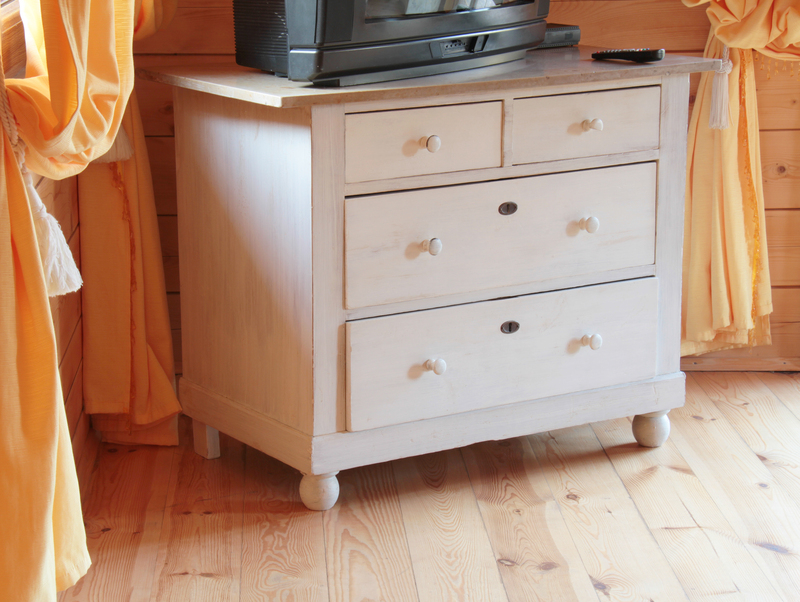
- Old drawers painted and mounted on the wall double as chic shelves and display cases.
- Wine corks glued together create bulletin boards or trivets.
Light Fixtures from Recycled Materials
Cut plastic bottles or glass jars can be fashioned into pendant lights or fairy lamps, adding personality and eco-friendliness to any room.
Garden Tools from Scrap Metal
Old kitchen utensils, cans, or even broken electronics can be given new life as outdoor tools, plant labels, or compost turners.
Showcasing Your Eco-Friendly Creations
Your eco-friendly crafts and upcycled projects don't just belong at home:
- Gift-giving: Unique, handmade upcycled items make heartfelt, sustainable gifts for birthdays, weddings, and holidays.
- Market stalls: Consider selling your creations at local markets or online - there's a growing demand for sustainable, artisanal products.
- Educational workshops: Share your crafting passion with others by teaching upcycling classes at schools, community centers, or virtually.
- Home decor: Showcase your eco-friendly masterpieces as focal points in your living room, garden, or office.
Tips for Eco-Conscious Crafting Success
- Plan ahead: Collect and clean materials before starting your project to avoid frustration.
- Try new techniques: Don't hesitate to mix and match methods such as painting, sewing, or mosaic work.
- Stay safe: Use proper tools and protective gear when handling sharp objects, glass, or paint.
- Embrace imperfection: Upcycled crafts often have a rustic charm - let your creativity shine through!
- Get the family involved: Eco-friendly crafting is an excellent way to teach kids about sustainability and creative problem-solving.

Common Questions about Upcycling and Eco-Friendly Crafts
- What if I'm not artistic? You don't need to be a professional artist to start upcycling. Many projects require only basic cutting, gluing, and decorating -- enthusiasm and willingness to experiment are your best tools!
- Are upcycled crafts durable? With the correct techniques, upcycled pieces can be as sturdy as their store-bought counterparts. Always ensure proper assembly, especially for items that will bear weight or frequent use.
- Where can I find upcycling inspiration? From social media platforms like Pinterest and Instagram to dedicated upcycling blogs, there's no shortage of creative ideas online. Visit local eco-craft fairs for firsthand inspiration!
- Can I sell my upcycled creations? Absolutely! The demand for sustainable, ethical products is rising. Be sure to maintain quality standards, clearly describe the materials used, and market your products as unique, eco-friendly pieces.
Conclusion: Join the Eco-Friendly Crafting Revolution
Eco-friendly crafting doesn't just help the planet -- it unlocks a world of creative expression, personal satisfaction, and meaningful connection. By upcycling trash into stylish and functional creations, you help shift consumer culture towards sustainability and environmental responsibility.
Start small, experiment with materials you already have, and let your imagination soar. Every upcycled project, whether large or small, is a step towards a greener, cleaner future. Share your eco-friendly craft ideas and encourage others to see trash as an opportunity, not a burden.
Happy crafting -- and happy planet!